International Media Laws
Living in the United States, we are privileged to not have many media laws. For the most part, we have the freedom to post whatever we please. This isn't always the case in other countries. Some countries allow freedom of speech while others have strict censorship.

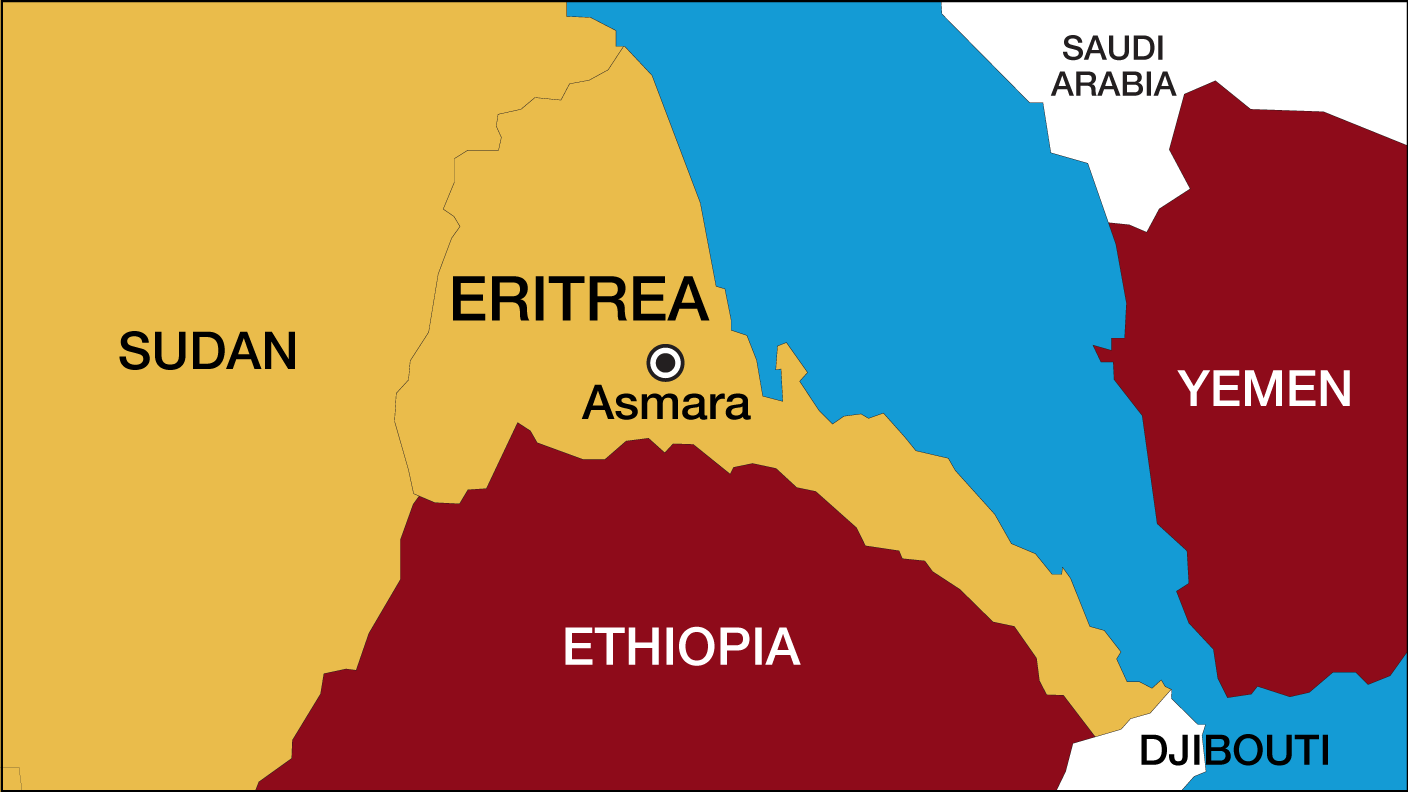
In Eritrea, Africa, they take their media laws to the extreme. On the Commitee to Protect Journalist, they are ranked number one among the most strict or censored countries. Individuals who work for the censored state press even have to every careful and even live in fear. In Eritrea, if workers leak information to other counties or they have a suspicion that the workers released information that could be critical then the workers are risking being arrested. In 2021, they had a privately owned media suspended and the journalist was put in jail for the information that they released. Eritrea has the most jailed journalist in Africa. Eritrea has an online control telecommunications company called EriTel. EriTel controls every cell phone communication and internet service providers are required to use EriTel so that they can control what information is being spread. Less than one percent of the Eritrea population goes online.
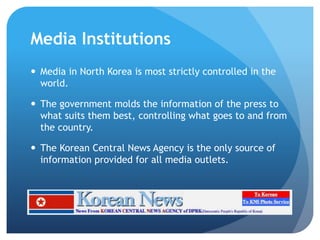
North Korea is the next in the top ten most censored countries. The press and media in North Korea are completely controlled by the Korean Worker Party. Until 2008, civilians were not allowed to have their own cell phones. They would smuggle phones and use them through the Chinese cell towers. Finally, in 2013, North Korea started manufacturing smartphones but they were still monitored through Korea Post and Telecommunication Corp.
Ethiopia, the first independent country in Africa, is another country that is on the top charts for having strict censorship. May 2015 is when Ethiopia really started to crack down on its media. They started to arrest individuals for personal journalism, printing, and distributing during the election. A total of ten journalists were imprisoned in 2014 being accused of "encouraging terrorism". Ethiopia has only one network provider, Ethio Telecom, that sensors and tracks all the information throughout the country.
These specific places are just to name a few. Different countries have different rules and regulations for their media laws. Some are extremely strict while others like the United States have the freedom of speech. Depending on where you live and how strict the censorship is, depends on how harsh your punishment is for disobeying the media laws.


Comments
Post a Comment